Why drop-in instead of freestanding
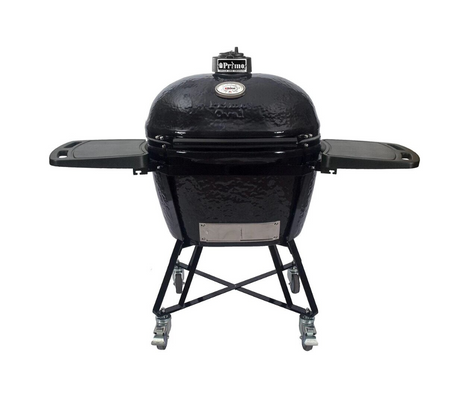
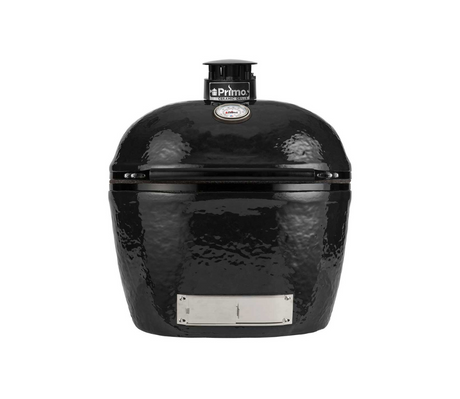
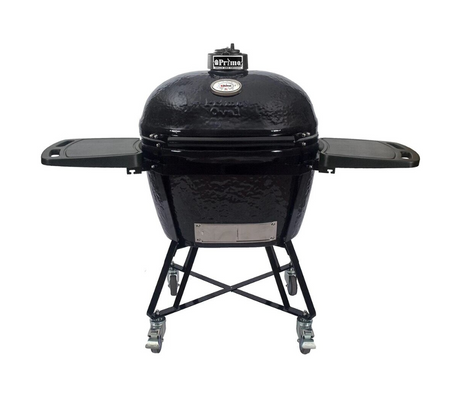
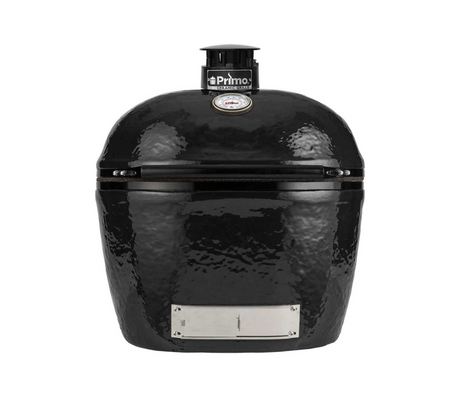
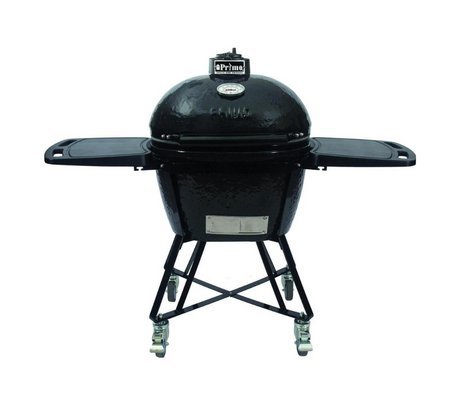
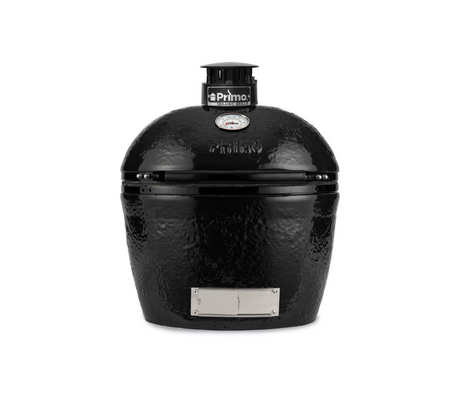
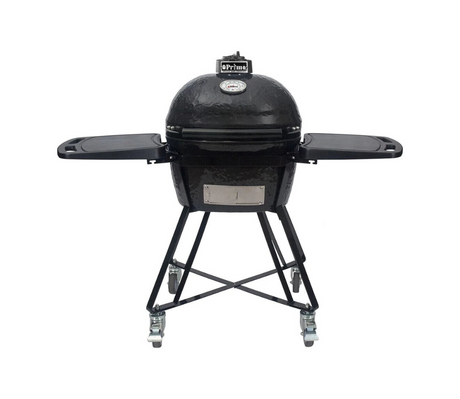
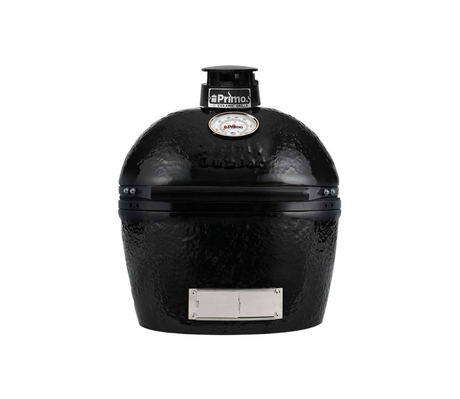
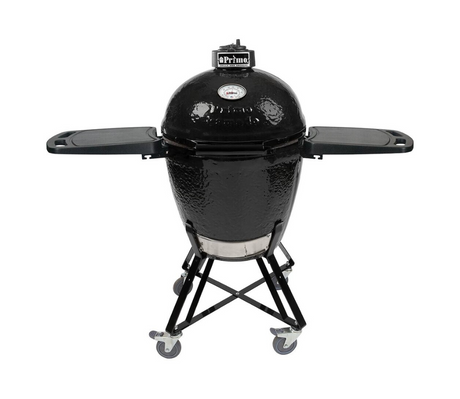
Primo ceramic grills ship in two configurations from the factory: All-In-One (with cradle, side shelves, and casters for freestanding use) or Grill Head (the ceramic firebox alone, designed to drop into a custom island or table cradle). Choose the Grill Head configuration when you're building an outdoor kitchen and want the kamado flush with the surrounding counter — same firebox, same cooking performance, just without the bundled cart furniture. The Grill Head needs a structural cradle to support the ceramic weight (100–280 lb depending on size).
The five Primo grill-head sizes
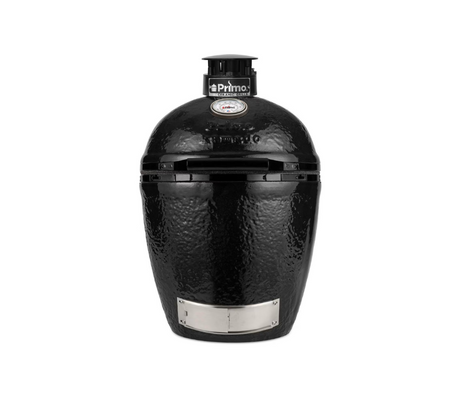
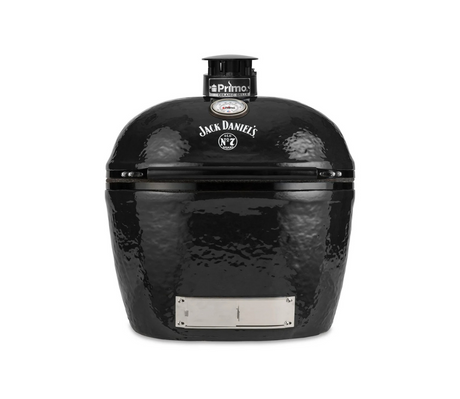
Round (PGCRH) is the smallest footprint — single round cooking zone, two-to-four person daily driver. Junior Oval (PGCJRH) adds the divided cooking zone in a compact footprint. Large Oval (PGCLGH) is the family-of-four standard. X-Large Oval (PGCXLH) handles dinner parties and full briskets. XX-Large Oval (PGCXXLH) is the catering-scale option for whole-hog cooks. The oval firebox is unique to Primo within the ceramic kamado category — every other ceramic kamado uses a round firebox.
FAQ
What are the cons of ceramic kamado grills? Weight is the biggest constraint — Primo grill heads run 100–280 pounds, so the island cradle needs to be engineered to support the load. Heat-up time is longer than thin-wall steel grills. The ceramic itself can crack from physical impact or thermal shock; use lump charcoal designed for kamados.
Is a kamado grill better than a regular charcoal grill? For low-and-slow cooking — smoking, overnight cooks, holding 225°F for hours — ceramic kamados outperform thin-wall steel grills. For quick high-heat searing, a kettle or stick-burner heats faster. Match the grill to the cooking style.
Are ceramic barbecues any good? Ceramic walls insulate dramatically better than steel — a Primo holds temperature with less fuel and weathers extreme outdoor conditions without warping. The trade-off is weight and heat-up time.
How long does a built-in kamado last? The ceramic firebox carries a lifetime warranty on Primo models. Stainless hardware, hinges, and gaskets are user-replaceable wear items. A well-maintained built-in kamado runs for decades.
Related collections
For the full Primo lineup including freestanding All-In-One configurations, see Ceramic Charcoal Grills. For non-ceramic built-in charcoal grills (Fire Magic Legacy), see Built-In Charcoal Grills. Brand collection: Primo Ceramic Charcoal Grills.
Sourced from Primo manufacturer documentation.