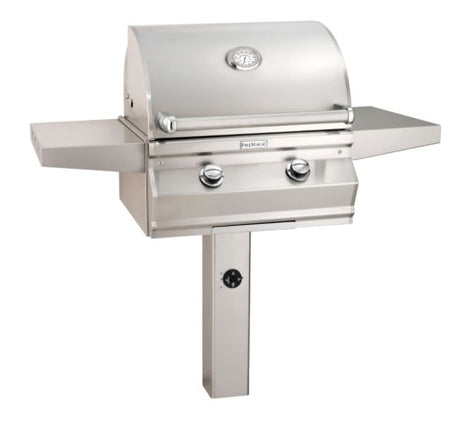
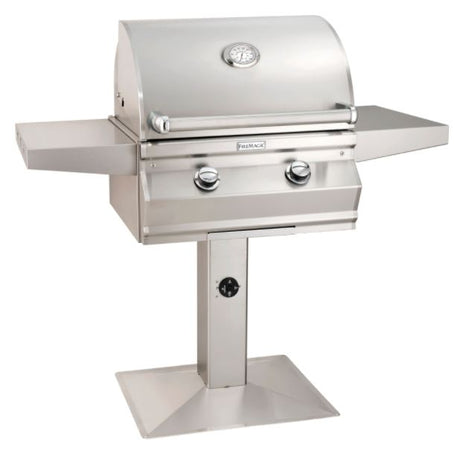
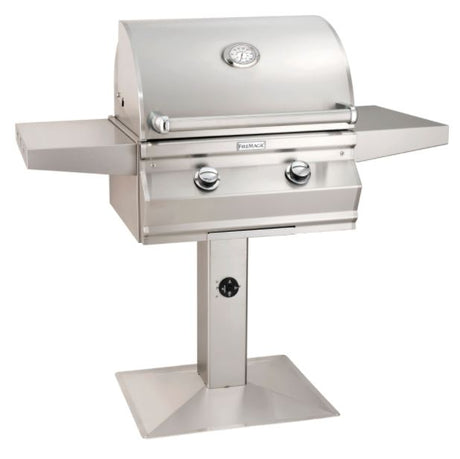
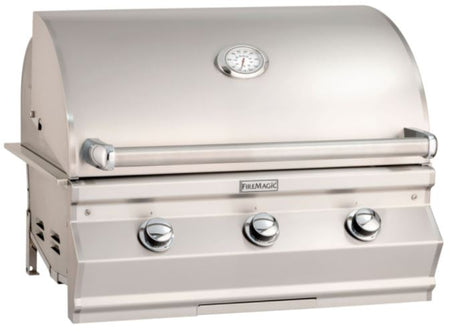
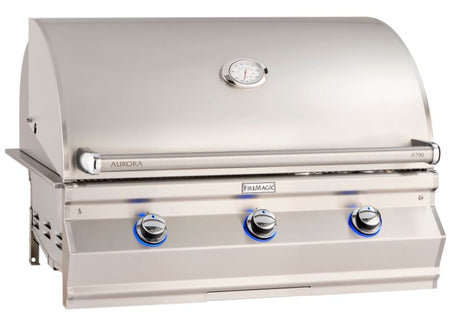
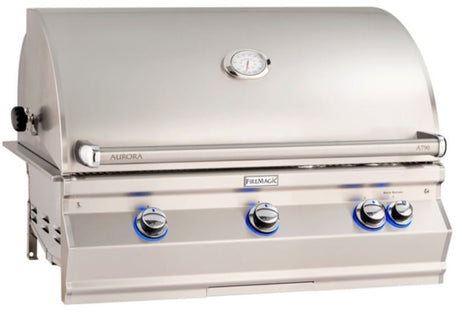
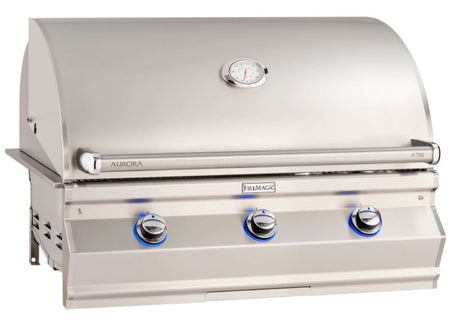
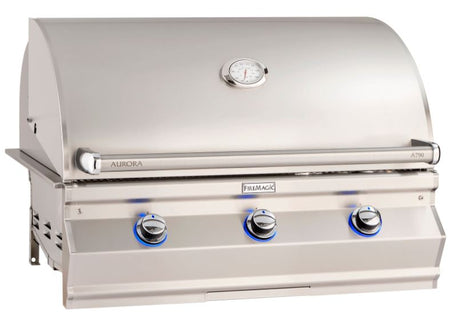
Why choose propane over natural gas
Built-in propane is the right choice when there's no piped natural gas line at the install location — common in rural setups, detached patios, and properties on well water without utility gas service. LP delivers slightly higher heat per cubic foot than NG, so propane grills run a touch hotter on identical burner specs. Most built-in grills sold here ship in both NG and LP configurations from the factory; the difference is the orifice size, not the chassis. LP tanks need swapping every 15–40 hours of cooking depending on grill size.
Buying guide: tank placement and line routing
Built-in LP installs need a tank location with ventilation and access for tank swaps — typically a tank cabinet under the grill or in an adjacent vented enclosure. The regulator sits between the tank and the grill inlet. A 36-inch grill pulling 80,000 BTU/hr drains a 20-pound tank in roughly eight hours of full-output cooking. For households cooking frequently, a 40-pound or larger tank reduces swap frequency. Always confirm the local code requirements for LP storage in an outdoor kitchen.
Sizing a propane built-in grill for your outdoor kitchen
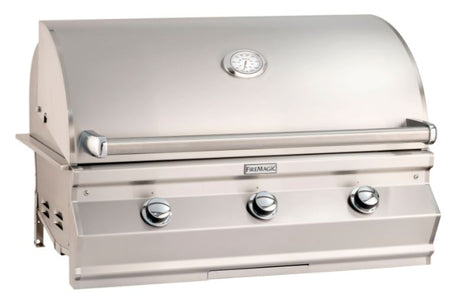
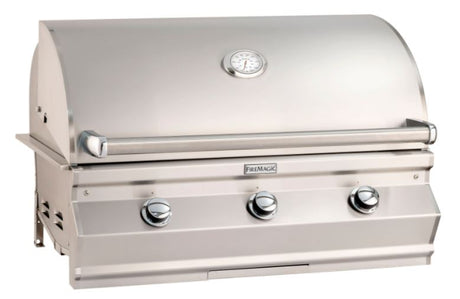
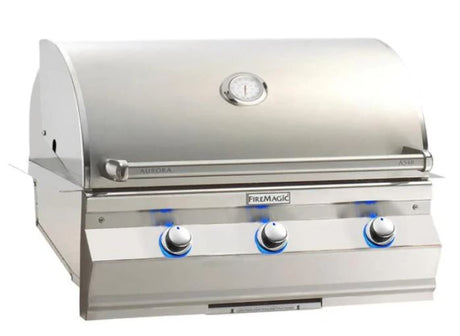
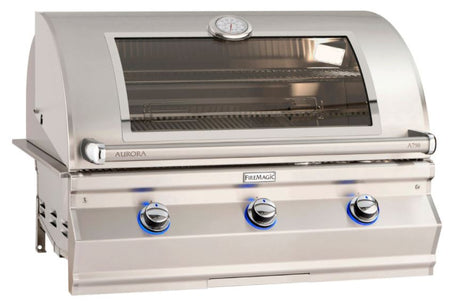
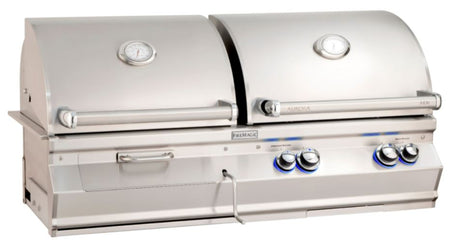
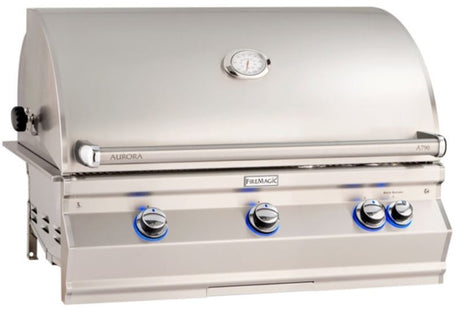
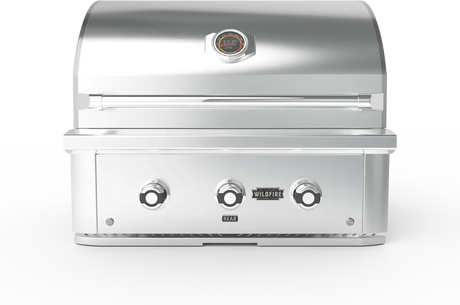
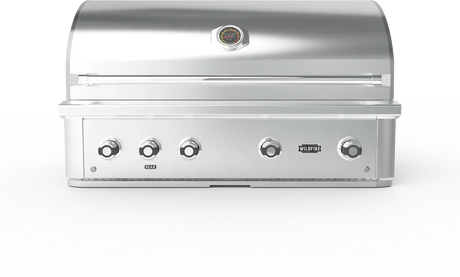
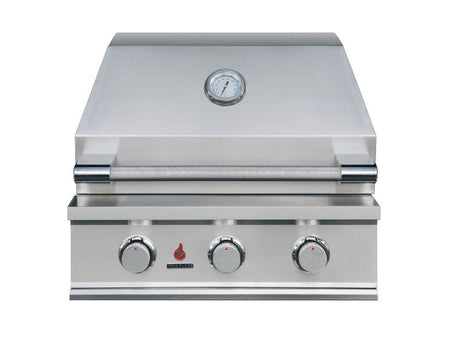
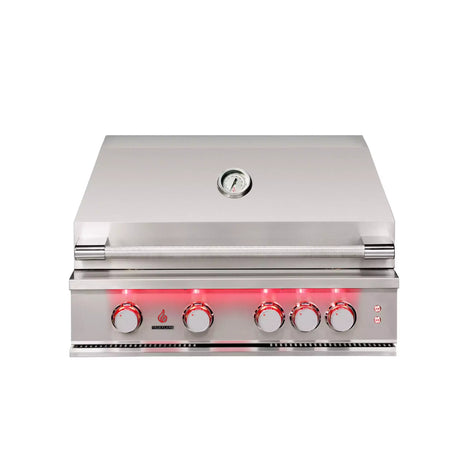
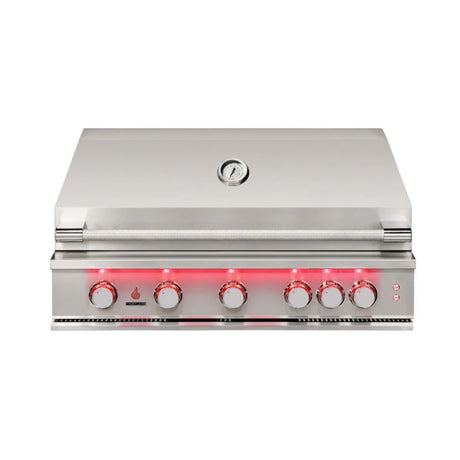
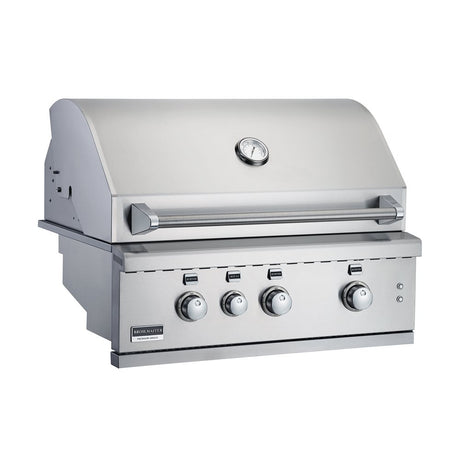
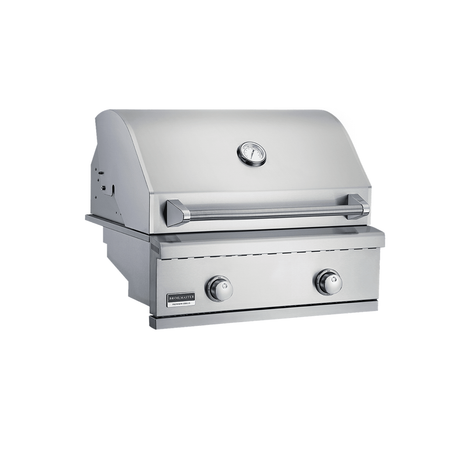
Built-in propane grills use the same cutout architecture as natural gas — outdoor kitchen islands designed around 30-inch, 36-inch, or 24-inch cutouts accept propane grills identically. The difference sits below the grill: a propane tank cabinet replaces the gas-line stub, and the regulator-to-grill connection sits inside the cabinet rather than running to a piped utility connection. Match the grill size to the existing cutout — a 30-inch grill won't drop into a 36-inch cabinet without filler panels, and vice versa.
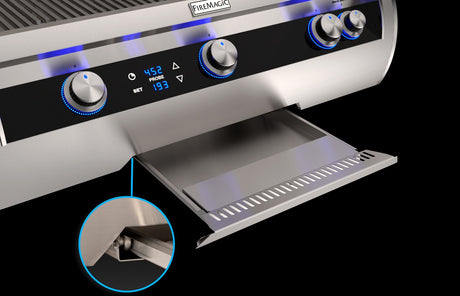
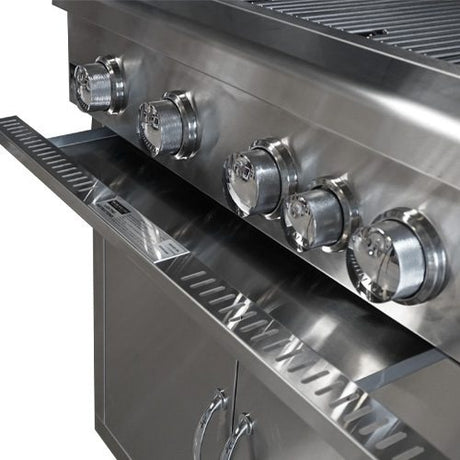
Tank placement drives the install. Most outdoor kitchen designs locate the tank in a vented cabinet directly under the grill, with a slide-out tray or door panel for swaps. Local code typically requires venting at both the top and bottom of the tank compartment to prevent gas accumulation in case of a leak — never seal a propane tank inside an unvented island cabinet. Larger tanks (40-pound or 100-pound) reduce swap frequency but require more cabinet depth, which constrains where in the outdoor kitchen the grill can land.
When weighing NG versus LP for a new outdoor kitchen build, the trade-offs come down to upfront cost, ongoing cost, and install permanence. NG installs require a one-time gas-line trench and permit at higher upfront cost, then run at lower per-BTU operating cost for the life of the install. LP installs avoid the trenching but require ongoing tank swaps and slightly higher fuel cost per cook hour. For permanent backyards with utility gas service available, NG usually wins on total cost of ownership; for rental properties, leased outdoor spaces, or installs in locations without gas service, LP keeps the project moving without a utility build-out.
FAQ
Is a built-in grill worth it? Built-ins integrate into the outdoor kitchen island rather than parking on a separate cart — cleaner aesthetics, shared counter space, and the grill sits at the same working height as adjacent prep surfaces. For permanent installs, built-in is the right architecture.
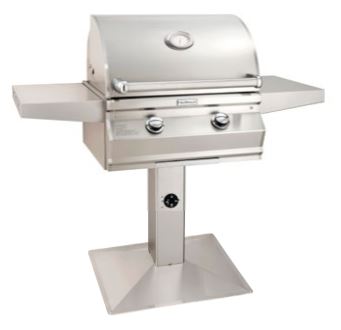
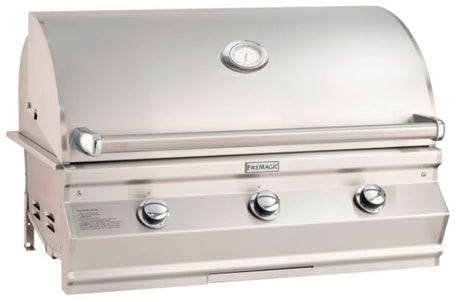
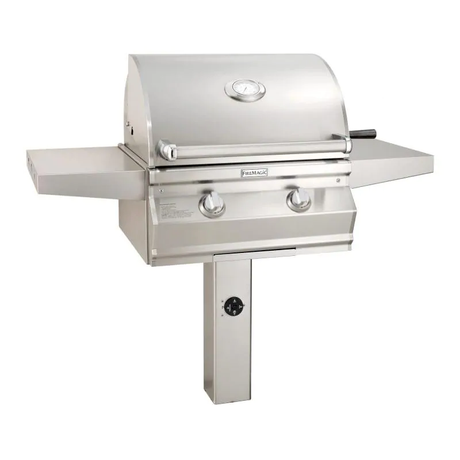
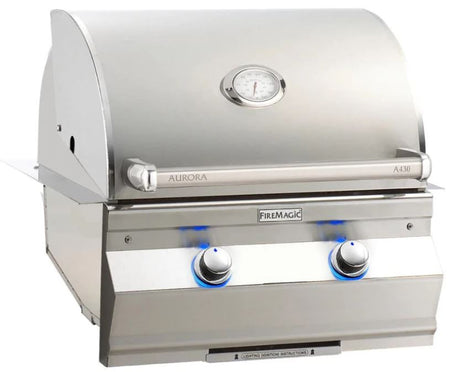
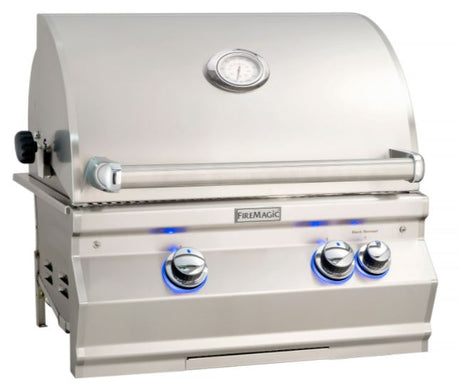
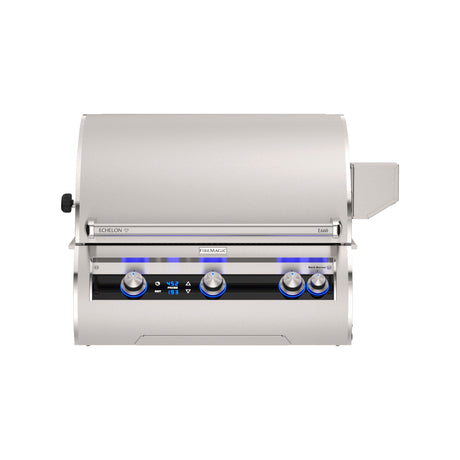
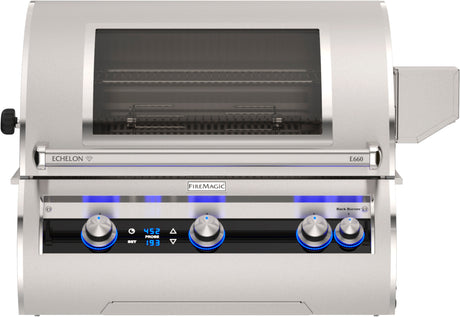
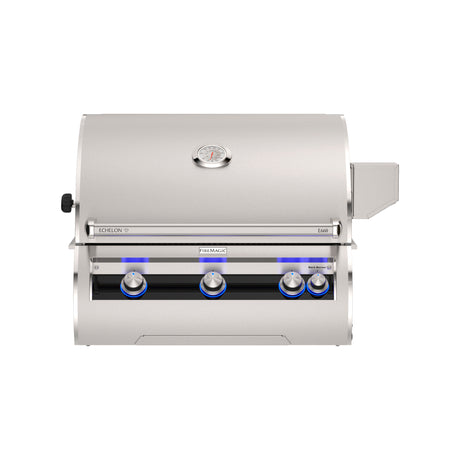
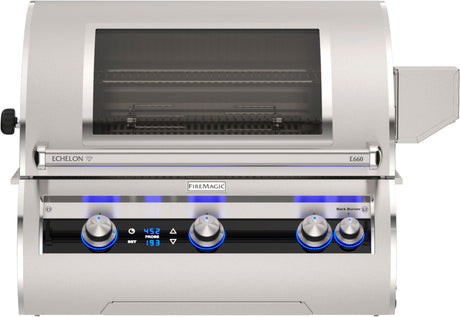
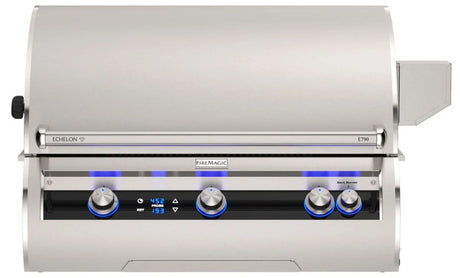
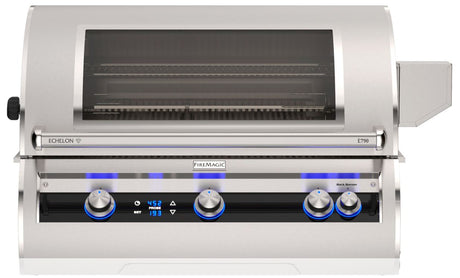
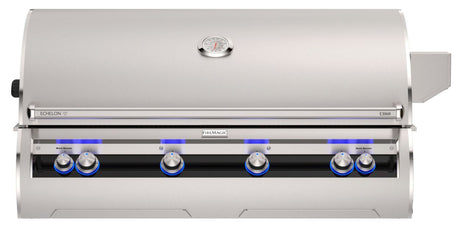
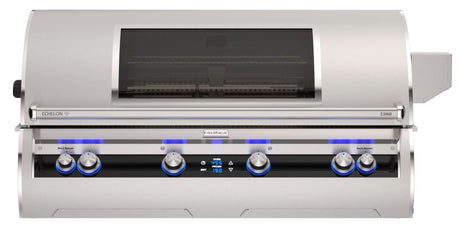
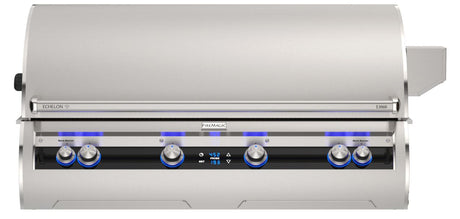
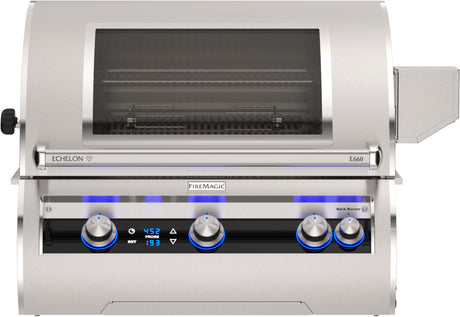
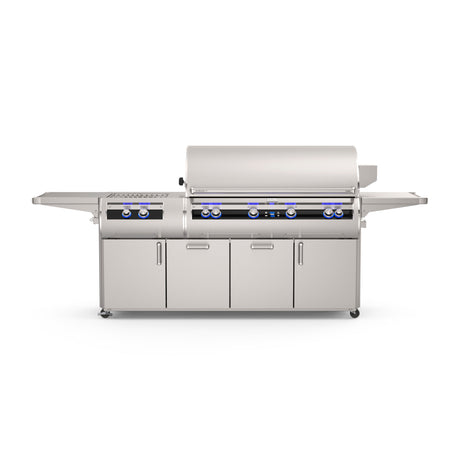
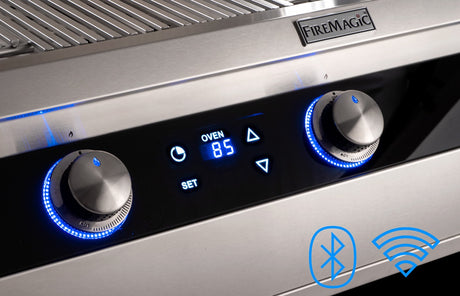
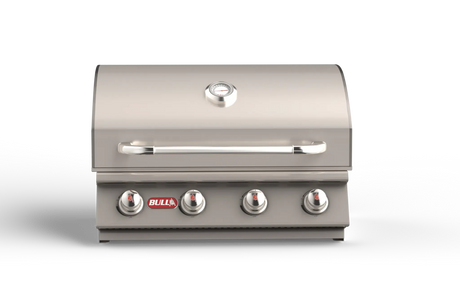
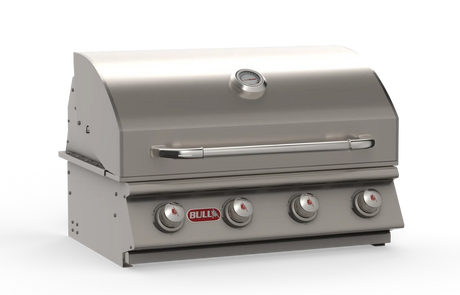
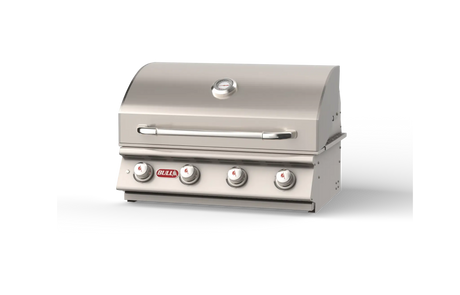
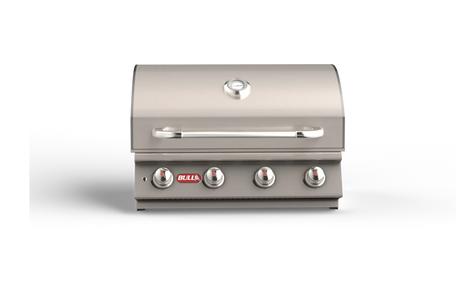
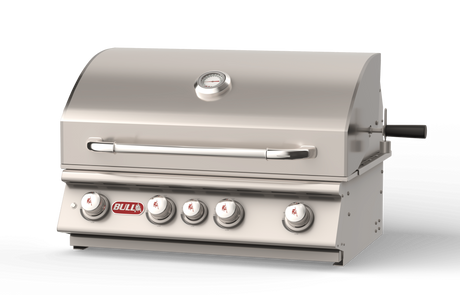
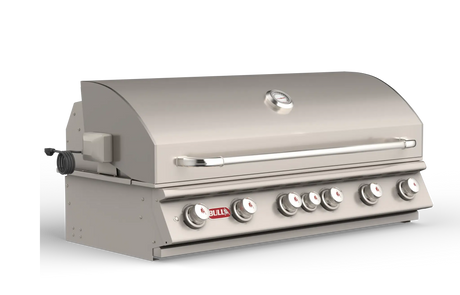
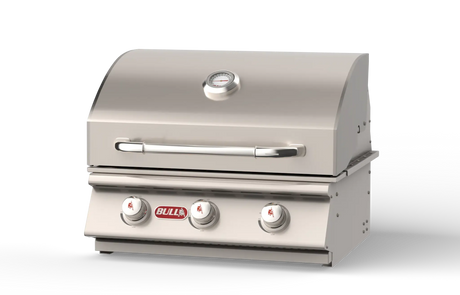
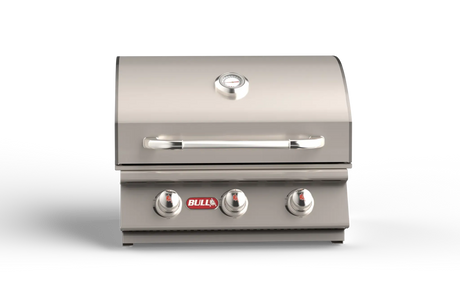
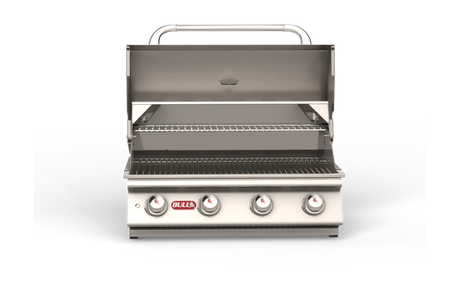
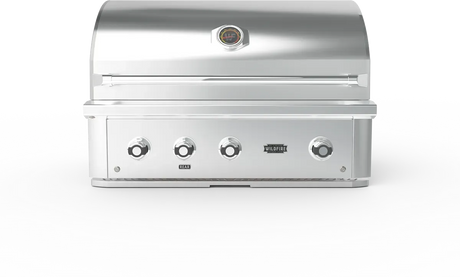
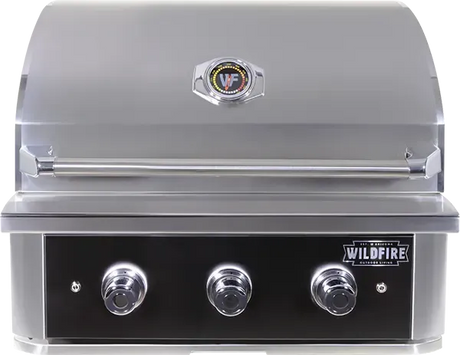
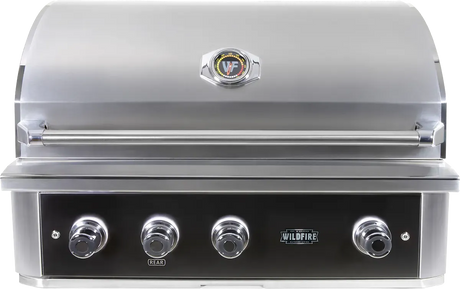
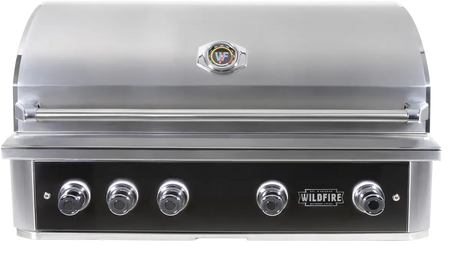
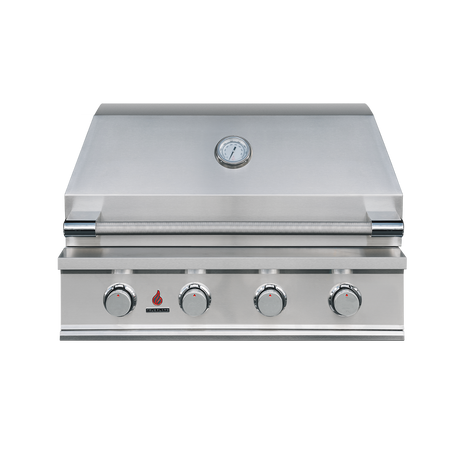
What is the best built-in propane grill? Fire Magic Echelon Diamond carries the broadest feature set. AOG T Series and Wildfire Ranch PRO compete on the upper-mid tier. TrueFlame TFE and Bull Outlaw deliver capable LP performance at entry-mid prices.
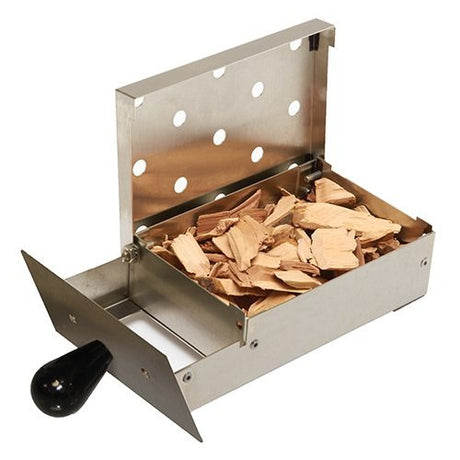
Can I smoke a brisket on a gas grill? Yes — set up indirect heat by lighting only the burners on one side, target 225–250°F at the grate, and add a smoke tube or wood chip box for smoke flavor. Gas grills won't deliver the smoke ring of a dedicated stick-burner, but the cook quality is comparable.
How much does a built-in propane grill cost? Prices vary by brand and size — check each product page for current pricing.
Related collections
For the natural gas equivalents, see Natural Gas Built-In Grills. By size: 24-inch, 30-inch, 32-inch, 36-inch. Brand collections: Fire Magic, AOG, TrueFlame, Wildfire, Bull, Broilmaster.
Sourced from Fire Magic, AOG, TrueFlame, Wildfire, Bull, and Broilmaster manufacturer documentation.