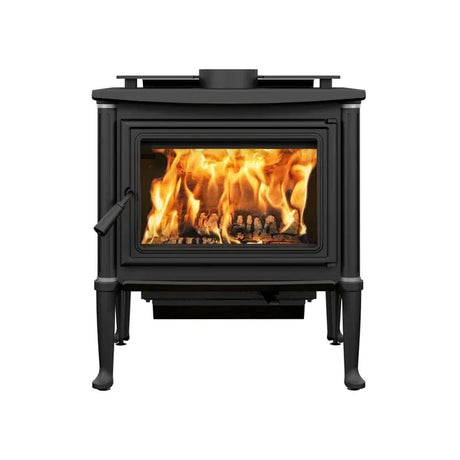
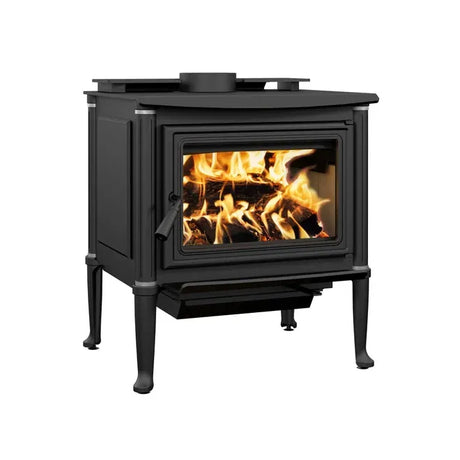
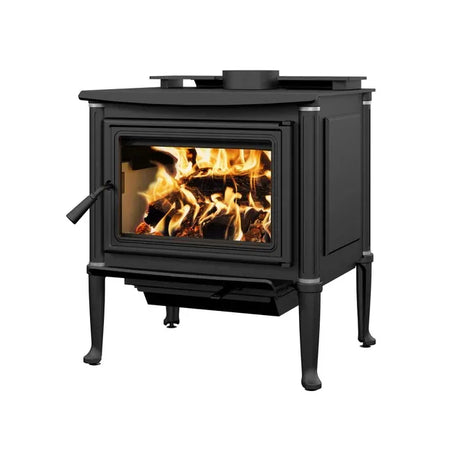
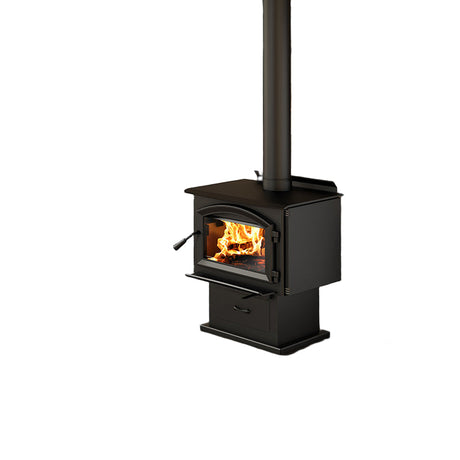
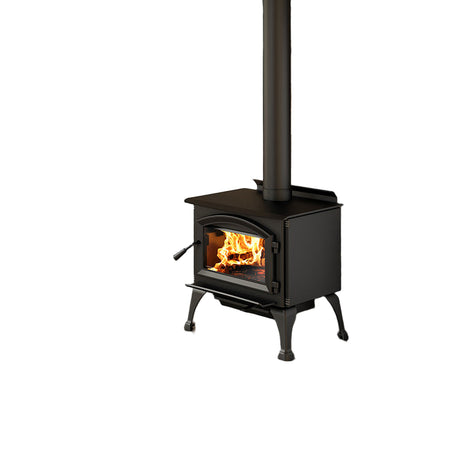
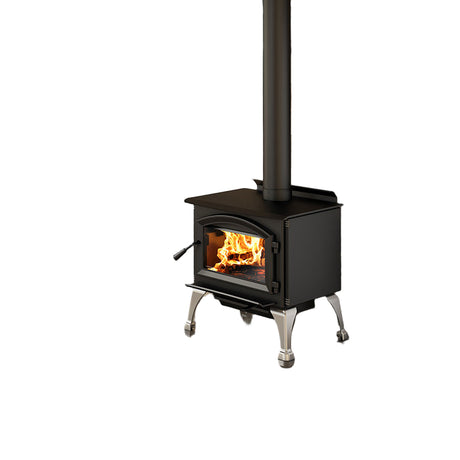
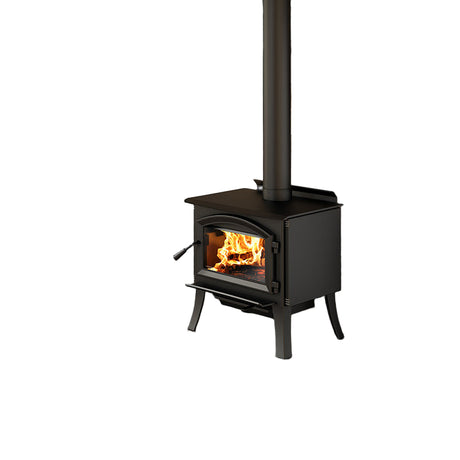
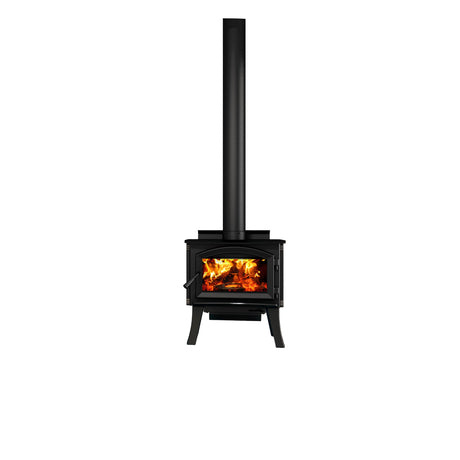
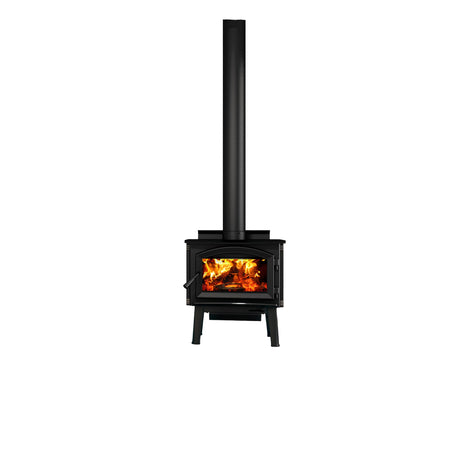
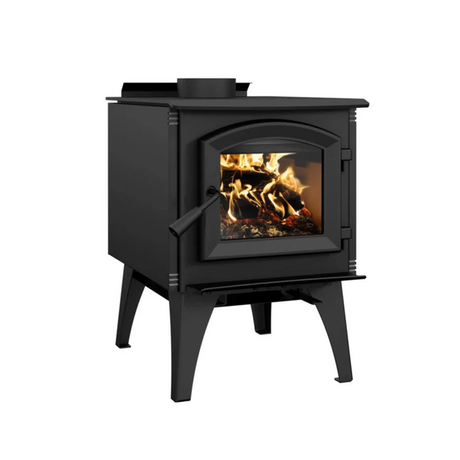
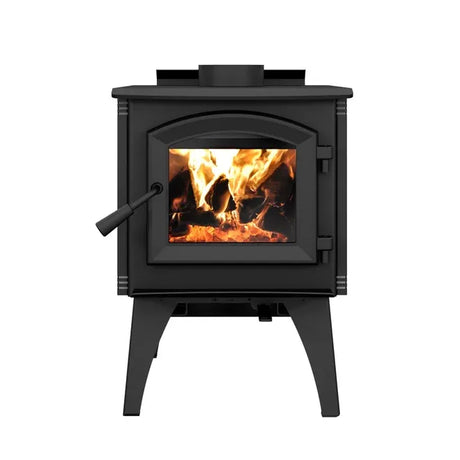
What freestanding means
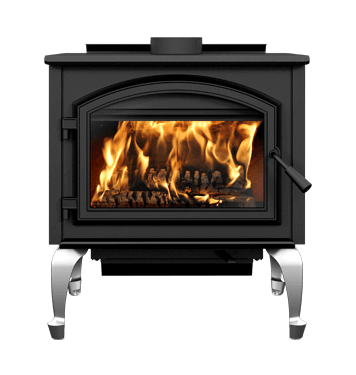
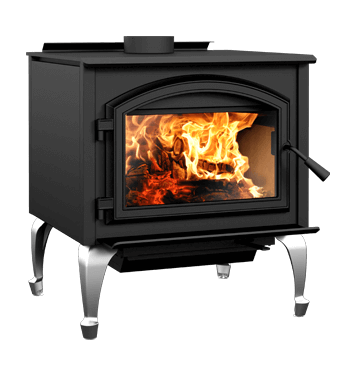
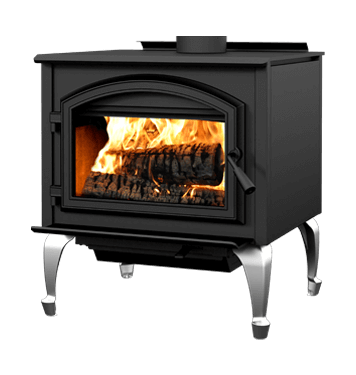
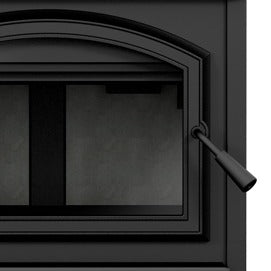
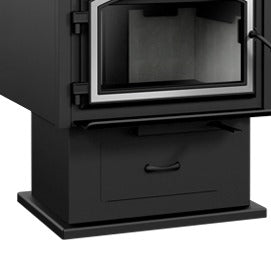
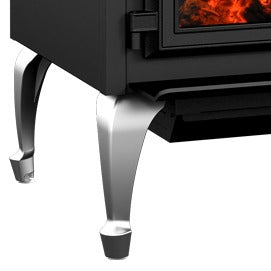
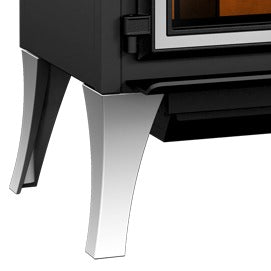
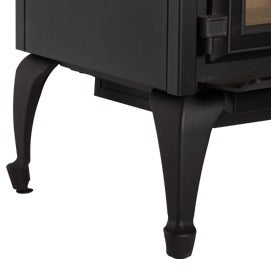
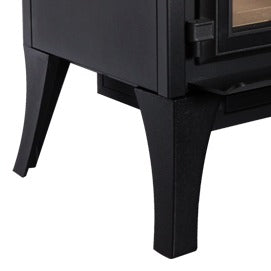
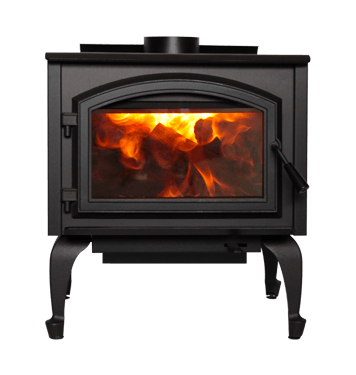
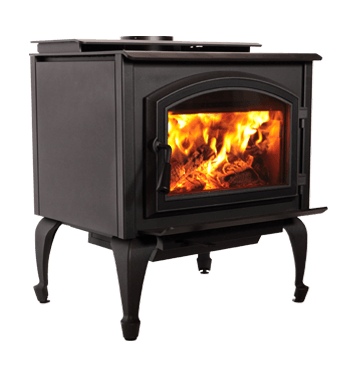
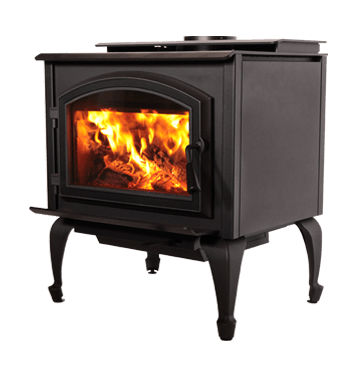
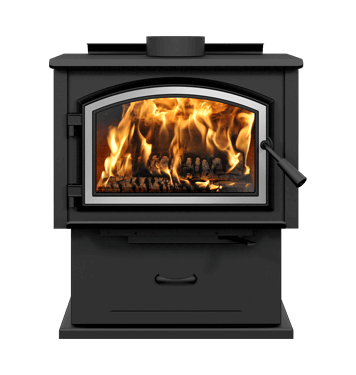
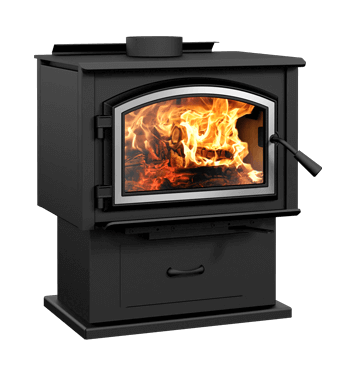
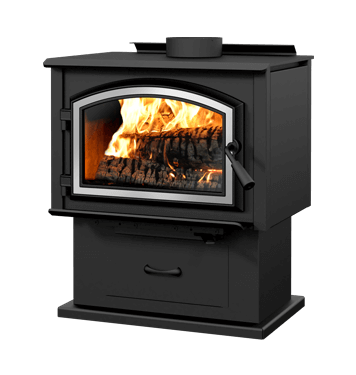
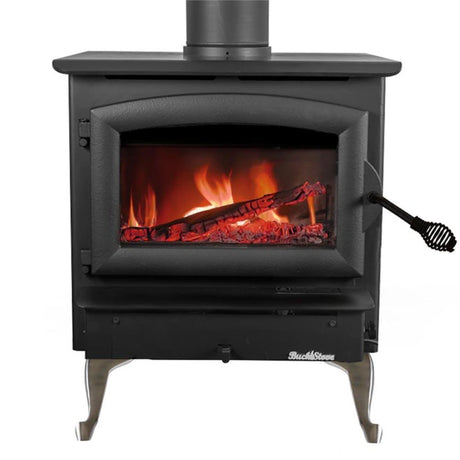
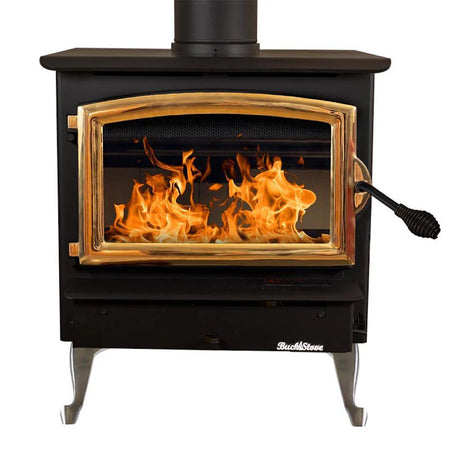
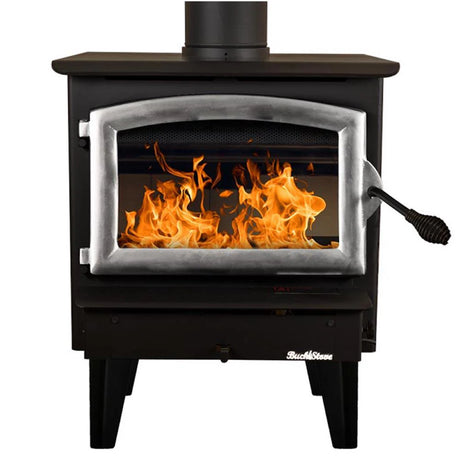
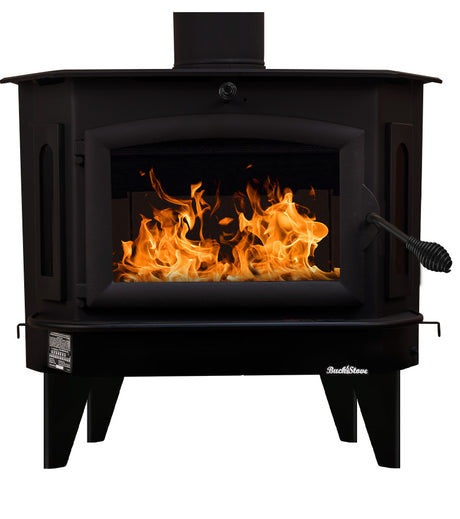
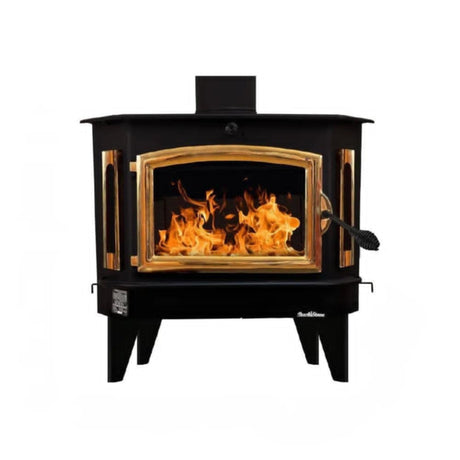
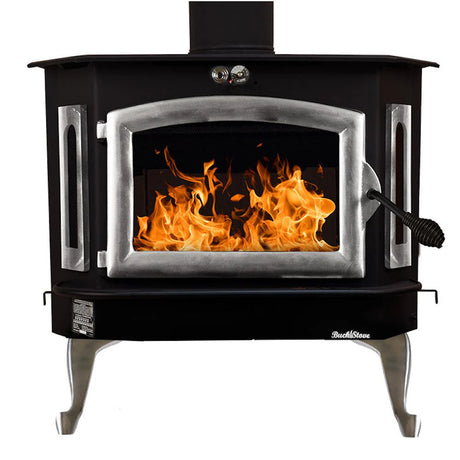
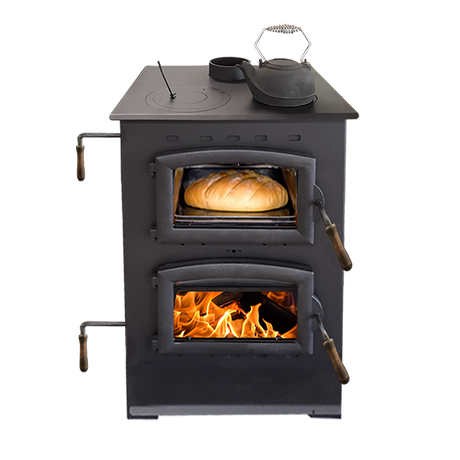
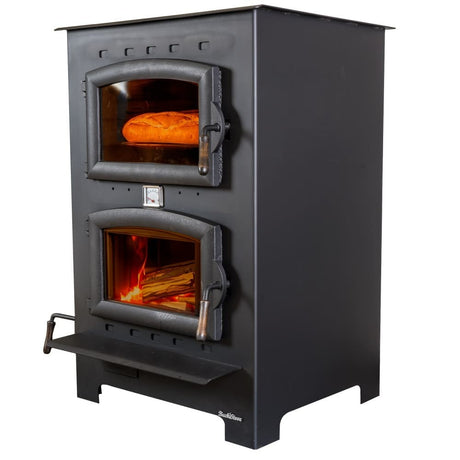
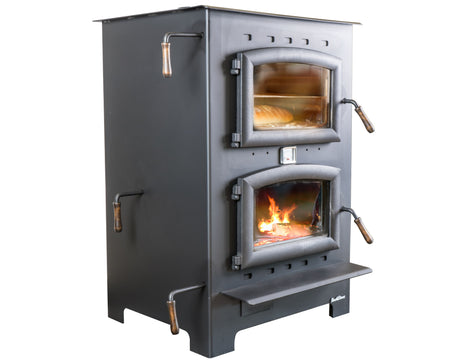
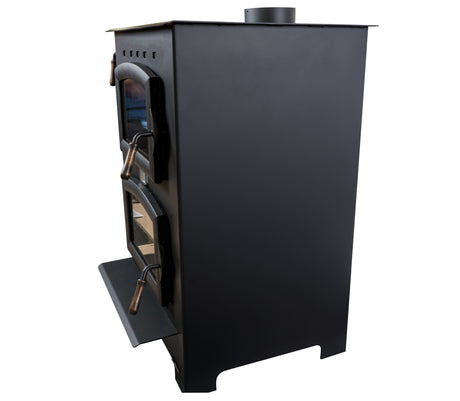
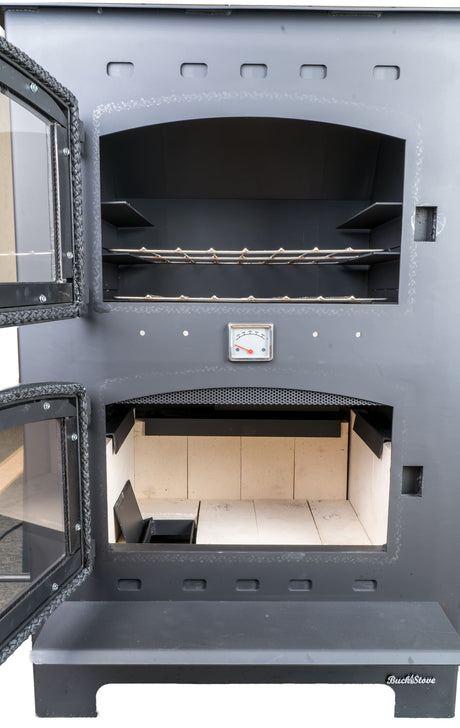
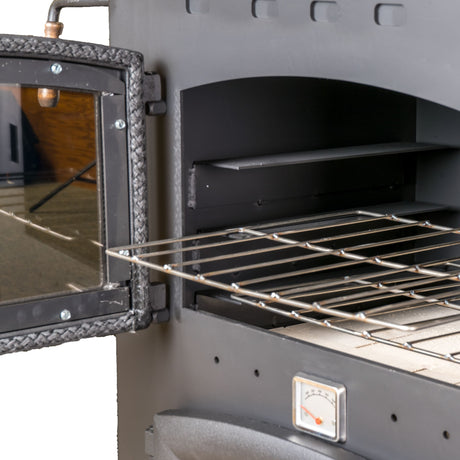
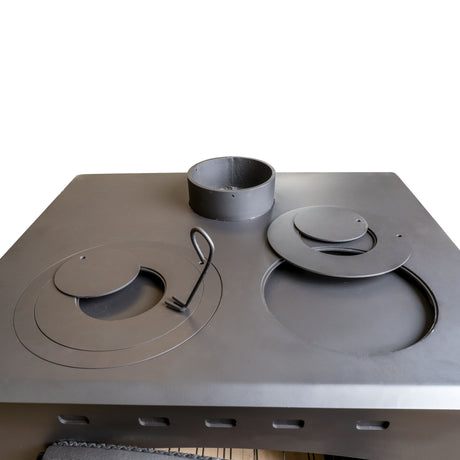
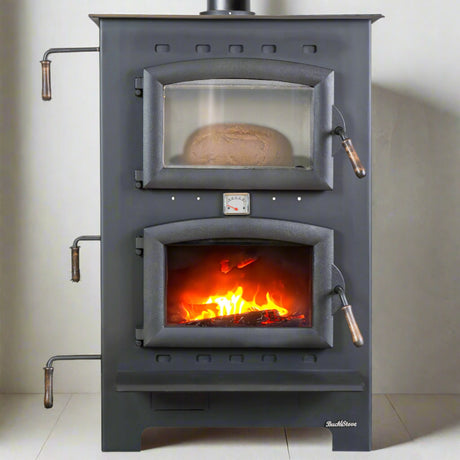
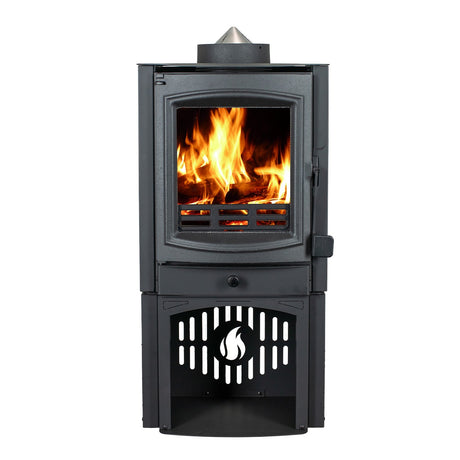
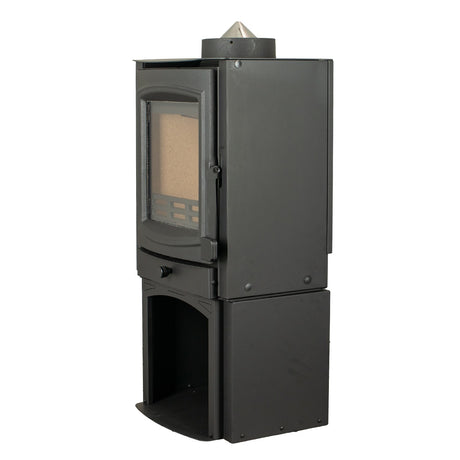
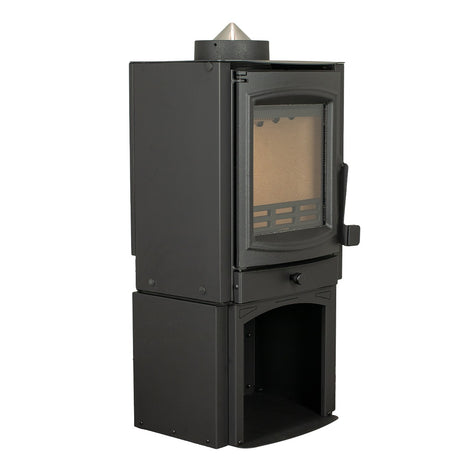
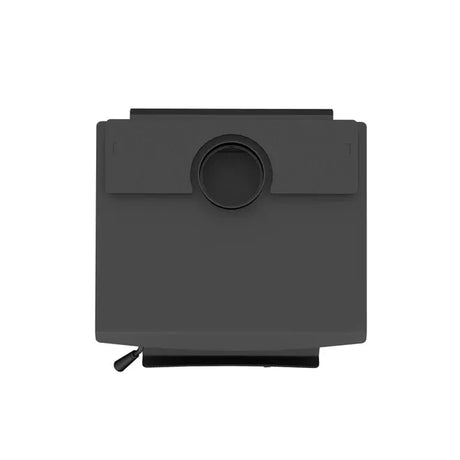
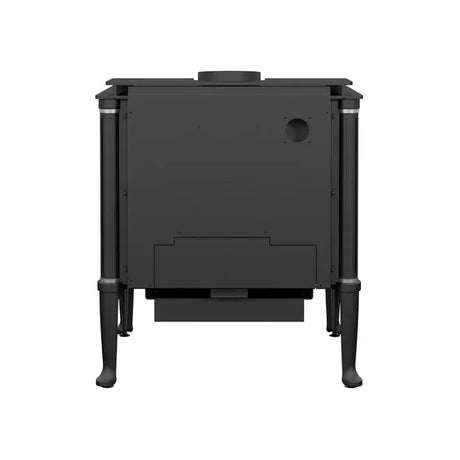
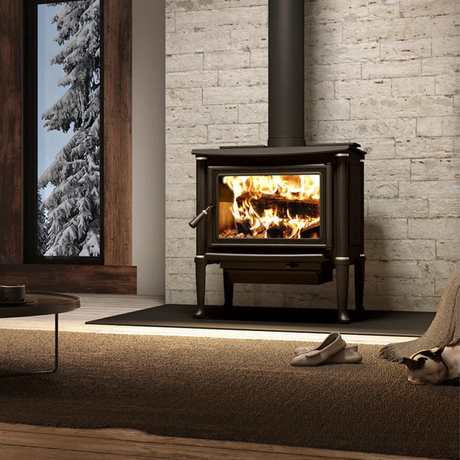
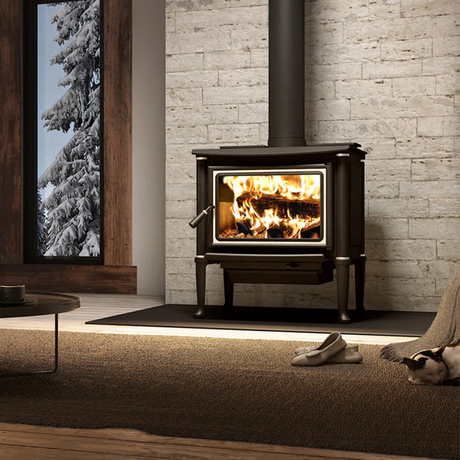
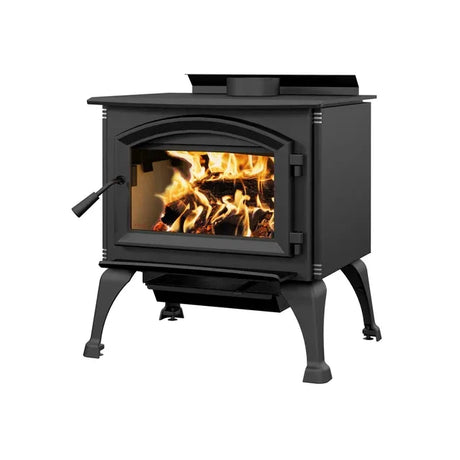
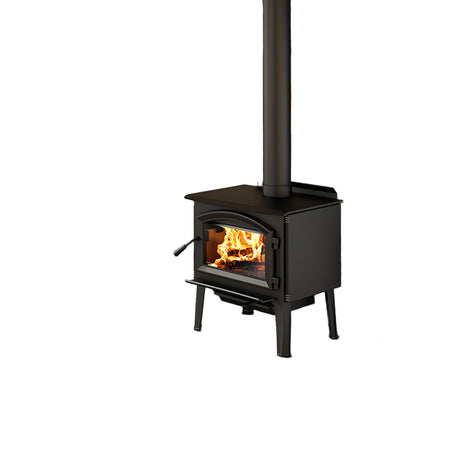
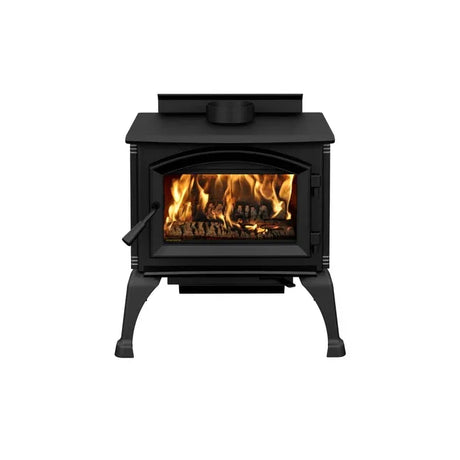
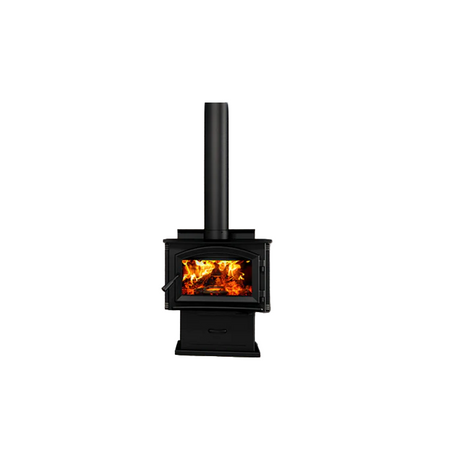
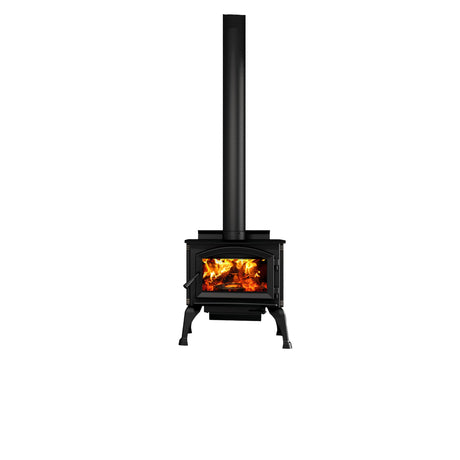
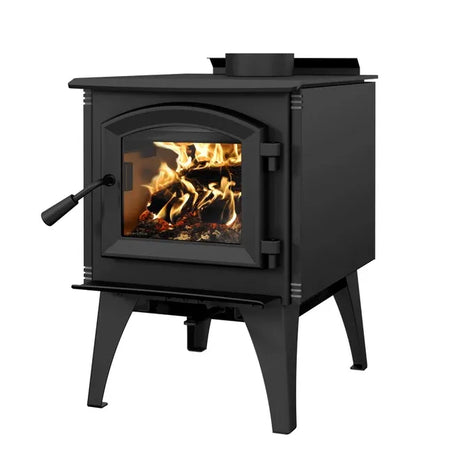
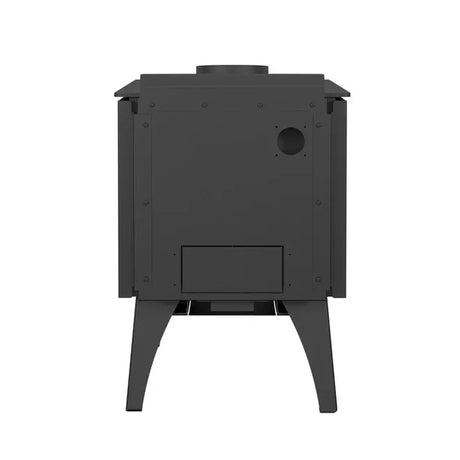
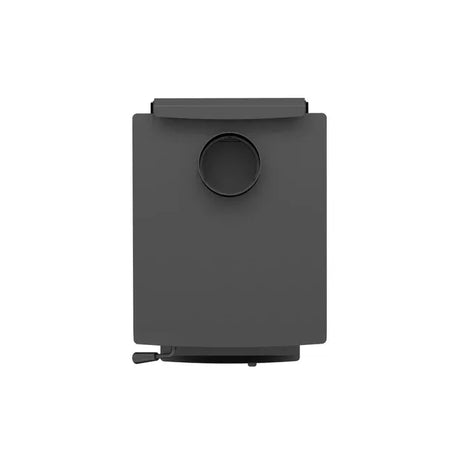
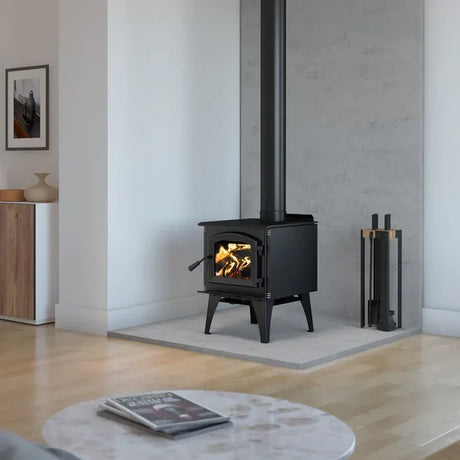
Freestanding wood stoves sit on a non-combustible hearth pad in the room, vent through a stove pipe up through the ceiling or wall, and radiate heat from all sides rather than only from the front. Freestanding is the most common wood stove configuration and the right choice when you do not have an existing fireplace or when you want the stove to project into the room for maximum radiant heat.
Freestanding vs insert
Freestanding wood stoves radiate from all sides; wood stove inserts sit inside an existing masonry fireplace and radiate primarily from the front. Two of our Buck Stove models (Model 91 and Model 21) install as either freestanding or insert. The choice comes down to whether you have an existing fireplace and the look you want.
How to choose a freestanding wood stove
Three primary filters: heating capacity (square footage match), combustion technology (catalytic vs non-catalytic), and installation footprint (clearances to combustibles). Small freestanding stoves cover 250 to 1,800 sq ft; mid-size models cover 1,500 to 2,300 sq ft; large freestanding stoves cover up to 3,200 sq ft.
Clearances and floor protection
Every freestanding wood stove requires a non-combustible floor protector under and around the stove, with side and front extensions specified in the owner's manual. Clearances to combustible walls depend on connector pipe type: double wall close-clearance pipe reduces clearances significantly versus single wall. The non-combustible pad does not need an R-value for most of our non-catalytic models; some catalytic and cook stove models specify R-3 minimum.
FAQ
What is the difference between freestanding and insert? Freestanding stoves sit on the floor on a hearth pad and radiate from all sides. Inserts slide into an existing masonry fireplace and radiate primarily from the front. Both can use the same chimney type when properly installed.
Do all freestanding wood stoves need a chimney? Yes. Every freestanding wood stove requires a UL 103 HT factory-built chimney or code-approved masonry chimney with a flue liner. Minimum chimney height is typically 12 to 15 feet measured from the floor protector.
Can a freestanding wood stove be installed in a mobile home? Several of our freestanding stoves are mobile home approved, including the Enerzone Solution 1.4, 1.7, 2.3, Buck Stove Model 21, and all three Empire Gateway models. Mobile home installation requires double wall connector pipe and an outside air kit.
What floor protection does a freestanding wood stove need? A non-combustible floor protector under and around the stove. Material requirements (steel, tile, brick, cement board) and dimensions (front extension, side extension) are specified in each owner's manual. Most non-catalytic stoves require no R-value; specific catalytic or cook stoves may require R-3 minimum.
Browse related collections: All Stoves · Wood Stove Inserts · Small Wood Stoves · Large Wood Stoves · Catalytic Wood Stoves · Non-Catalytic Wood Stoves · Mobile Home Approved.